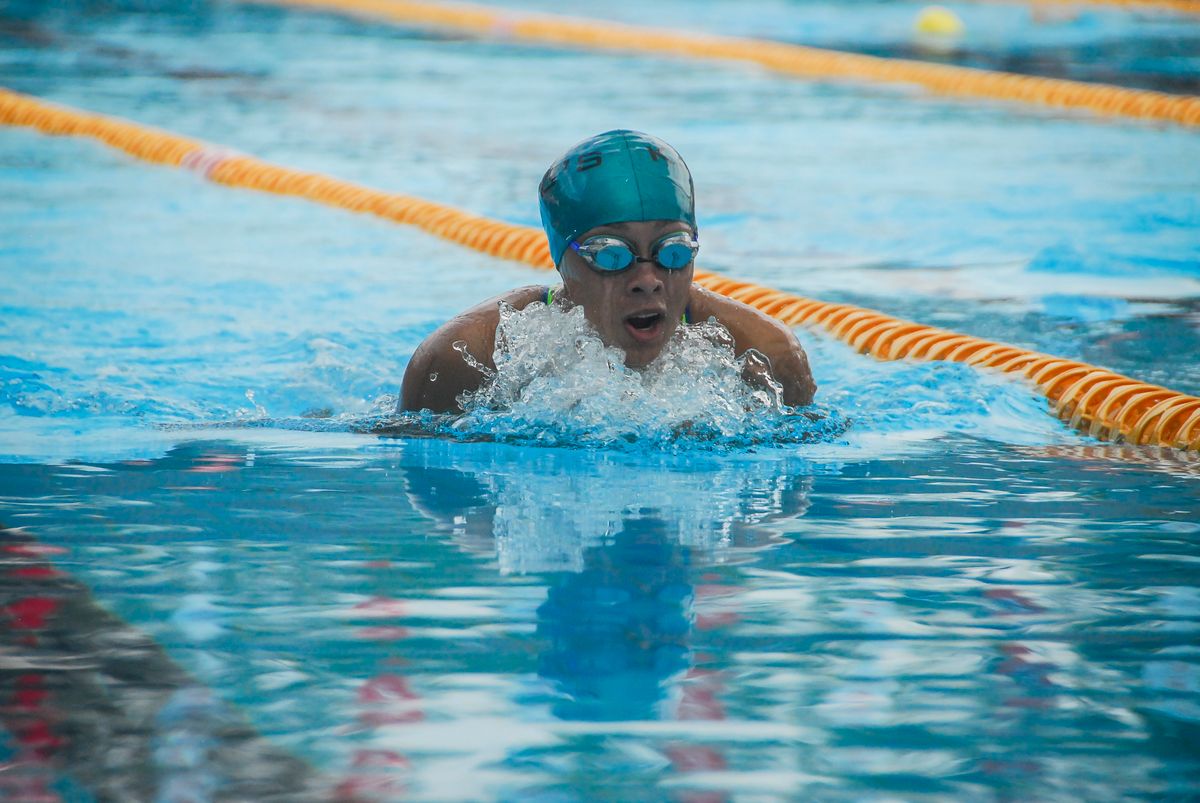
A hundredth of a second is the blink of an eye cut into four. In sprint swimming, that sliver is the difference between gold and forgotten — and a new generation of coaches is hunting it with cameras, sensors and ruthless technique.
HARBOUR CITY — The morning session looks nothing like swimming used to. Underwater cameras track every catch, force plates measure each start, and stroke-count targets flash on the pace clock before every repeat. The stopwatch still rules, but it no longer rules alone.
The biggest gains have come from the start and the turn — the only two moments a swimmer travels faster than swimming speed. Elite programs now devote a third of pool time to breakouts alone: the angle of entry, the depth of the dolphin kicks, the exact stroke where the head breaks the surface. Clean water is fast water.
Then there is the catch, the invisible engine of the stroke. High-speed footage shows the best sprinters anchoring the forearm almost vertically while the body rolls past it, holding water instead of slipping through it. It looks effortless from the stands. Under the surface it is controlled violence.
Everyone trains hard. At the top, the medals go to whoever wastes the least.
Records will keep falling — suits, science and deeper talent pools see to that. But the new school insists the clock is only the receipt. The real purchase happens in the quiet hours: streamline held a fraction longer, one more kick off every wall, technique repeated until it survives exhaustion.