Nobody remembers the first hundred kilometers. Ask any director sportif where a road race is truly won and you get the same answer: the final 10K, where legs scream, radios crackle and one brave move splits the field for good.
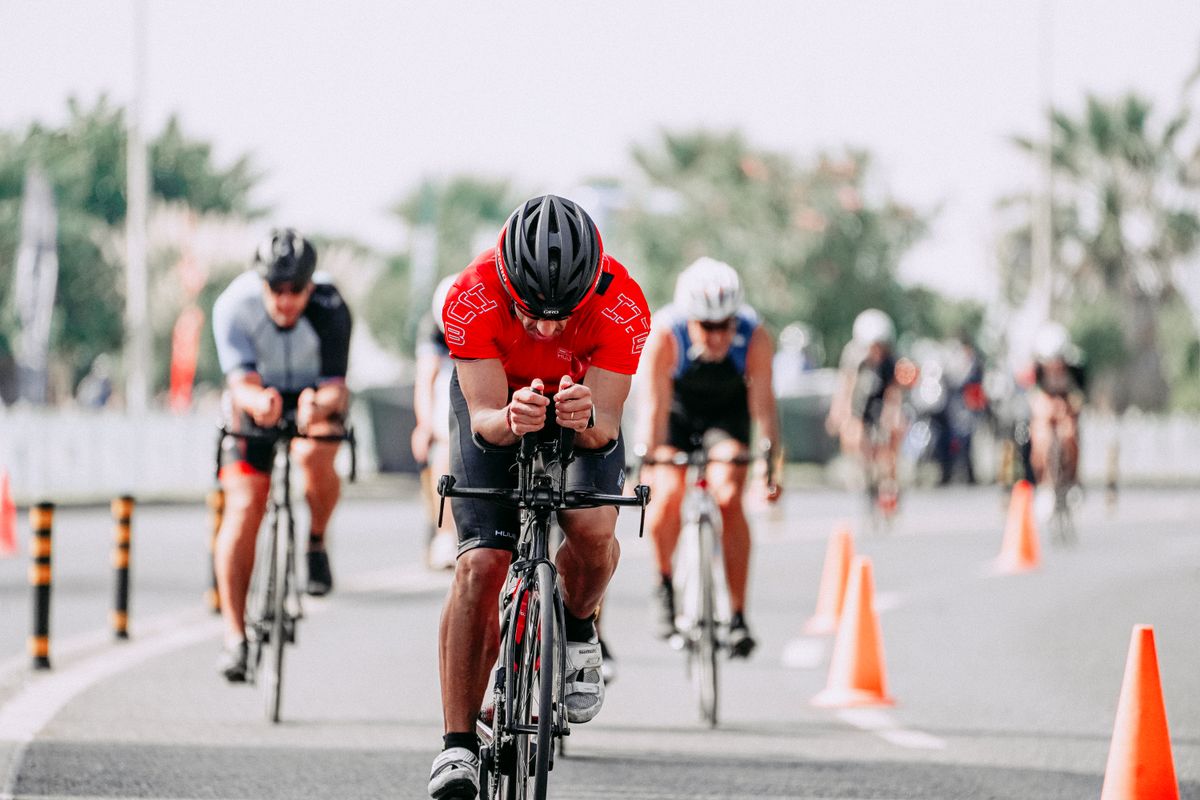
HARBOUR CITY — The break had been out front for four hours, its lead yo-yoing between ninety seconds and three minutes while the peloton played its usual game of bluff. Then, with ten kilometers left on the finishing circuits, the race finally told the truth. Two riders clipped off the front of the bunch, the gap fell like a stone, and the sprinters who had been saving everything suddenly had nothing left to save it for.
That is the brutal arithmetic of the finale. A peloton at full chase burns close to a thousand kilojoules in the last twenty minutes, and every corner, roundabout and patch of rough tarmac taxes the riders at the back twice over. Team cars can shout instructions all they like; at sixty kilometers an hour, positioning is instinct, and instinct is built over a decade of getting it wrong.
The winning move came from the third team car back, a rider nobody had marked, slipping clear on the drag up to the bell. Behind him the sprint trains tangled, elbows out, each lead-out man peeling off a hundred meters earlier than planned. By the final straight the race was a series of ones and twos instead of a bunch — exactly how the escapees wanted it.
You do not win the sprint in the last two hundred meters. You win it in the ten kilometers before, by being in the right ten wheels.
Victory margins at this level are measured in bike lengths, but the lesson travels far beyond one finish line. Coaches now drill the finale like a set piece: who pulls, who sits, who goes early. Because in modern racing, the strongest rider rarely wins. The smartest team does.