In an era of 130-mile serves and baseline thunder, the most devastating weapon in racket sports barely reaches the net. The drop shot is back — subtler, smarter, and breaking the sport's biggest hitters.
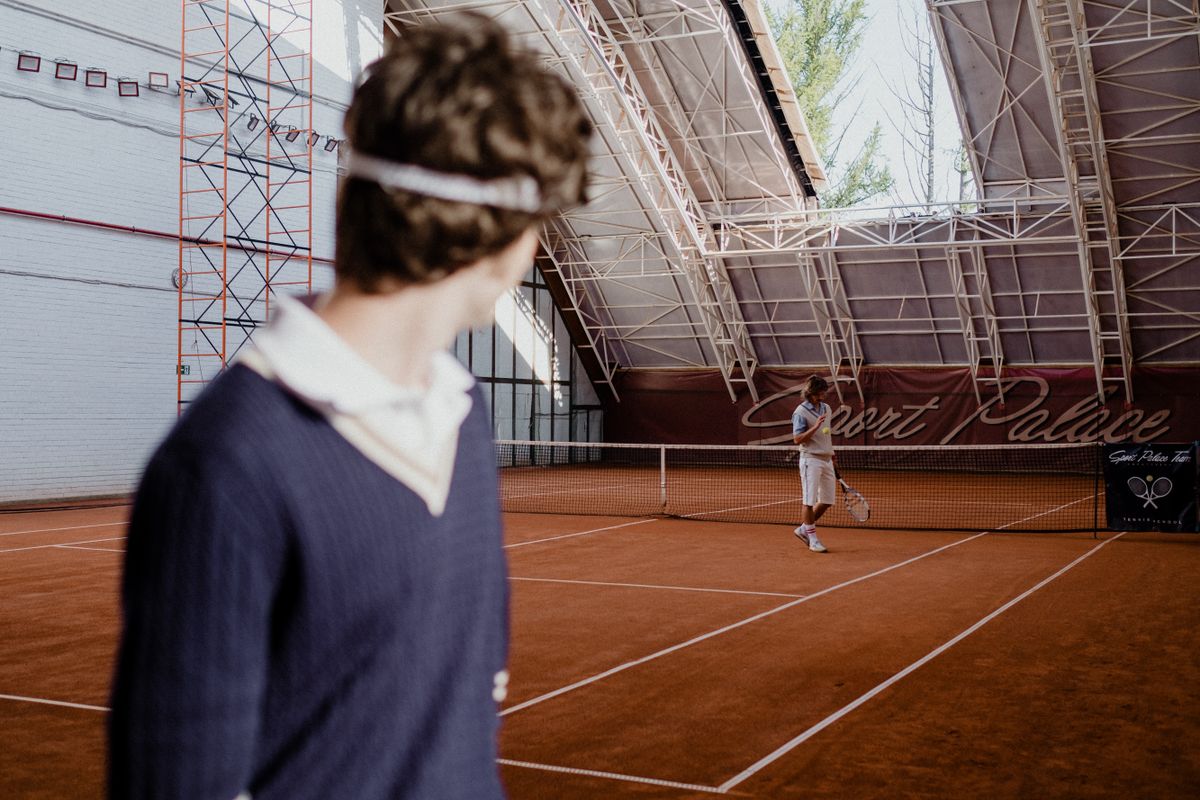
HARBOUR CITY — The rally had lasted twenty-two shots, both players pinned deep, the crowd settling in for another war of attrition. Then came the feather: a backhand slice that died two feet past the net, spun sideways, and left the fastest mover in the game swiping at air. The stadium gasped, then roared.
Touch was supposed to be extinct. Academies spent two decades building bigger serves and heavier forehands, and for a while the math worked. But as return positions crept further behind the baseline, the front of the court emptied — acres of undefended space for anyone brave enough to aim short.
The new masters disguise it until the last possible instant: same take-back as the deep drive, same shoulder turn, then soft hands at contact. Data analysts now track "short-ball conversions" like batting averages, and the leaders all share one trait — opponents who no longer dare to camp ten feet back.
Power moves the crowd. Touch moves the opponent. The best movers win with both.
Expect imitation. Junior coaches report drop-shot drills booked out, string sponsors whisper about softer setups, and at least three top seeds have added a touch specialist to their teams. The quietest shot in the sport is making the loudest noise.